UK Exports: How to Ship Goods, Handle Customs, and Grow International Sales
When you UK exports, the process of selling goods from the United Kingdom to buyers in other countries. Also known as international trade from the UK, it’s not just about sending packages—it’s about understanding who pays for what, when customs kicks in, and how to get paid without getting stuck in bureaucracy. After Brexit, the rules changed. What used to be simple cross-border shipping is now a mix of paperwork, taxes, and legal responsibilities. If you’re shipping a batch of furniture to Germany, software licenses to Canada, or handmade soap to Australia, you’re doing UK exports—and you need to get it right.
It’s not just about the product. It’s about the Incoterms, standard international shipping terms that define who handles shipping costs, insurance, and customs clearance. Also known as trade terms, they’re the contract language between you and your buyer. If you say FOB London, you’re responsible until the goods leave the port. If you say DDP Berlin, you pay for everything, including foreign taxes. Get this wrong, and you could lose money or get stuck with a shipment no one wants. Then there’s the T1 transit procedure, a customs system used to move goods through EU countries under bond without paying duties upfront. Also known as customs transit declaration, it’s how many UK exporters move goods across Europe without delays or cash flow problems. Skip the T1 when you need it, and your truck gets held at the border. And don’t forget VAT—some countries require you to register for local VAT, others let you charge UK VAT. Mess this up, and HMRC or a foreign tax authority comes knocking.
What you’ll find here isn’t theory. It’s what real UK businesses use every day. From first-time exporters figuring out how to fill out a commercial invoice, to established companies optimizing their shipping routes with the right Incoterms, to teams handling T1 declarations without a customs broker—this collection covers the messy, practical, real-world stuff. You’ll learn how to avoid the top mistakes that cost UK exporters thousands in fines and delays. You’ll see how others built export workflows that actually work, without hiring a team of lawyers or consultants. This isn’t about guessing. It’s about following clear steps that have been tested in real trade.
Choosing Incoterms for UK Exports: DDP vs DAP and Other Options
1 Dec, 2025
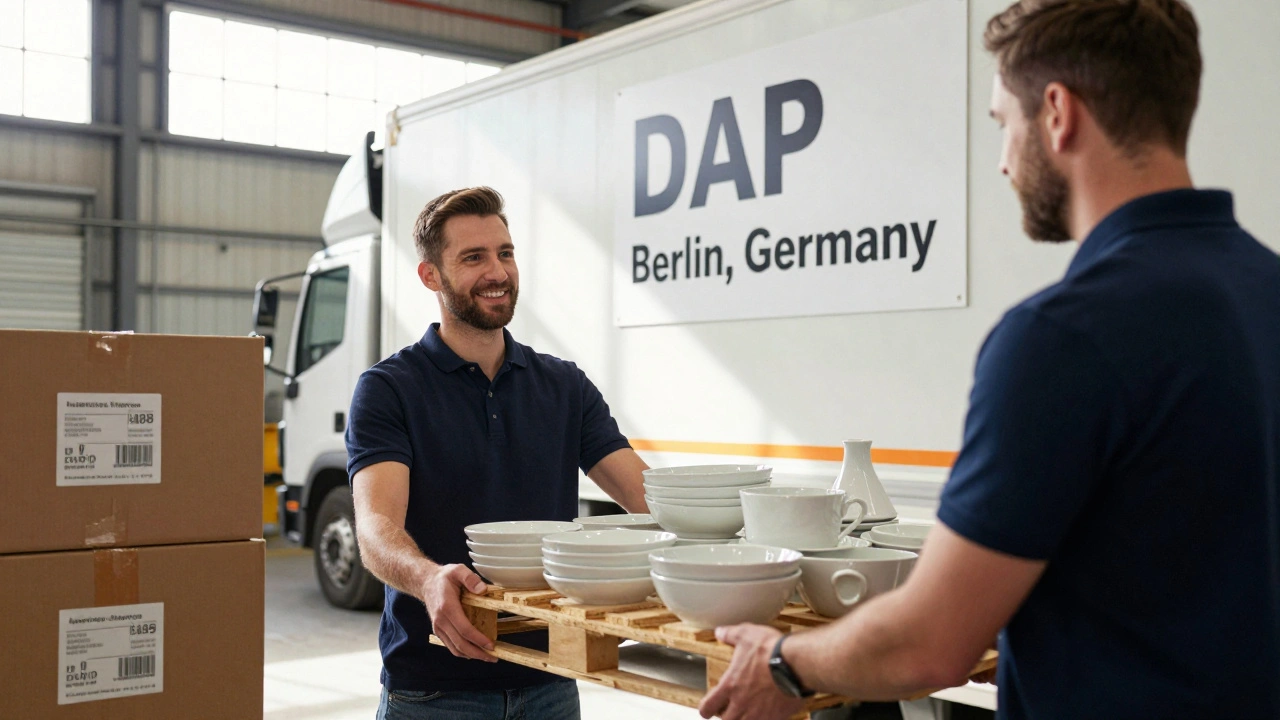
Learn how UK exporters should choose between DDP and DAP Incoterms to manage costs, risks, and customs responsibilities. DAP is the safest option for most small businesses.
 by
by