IP Infringement UK: What It Is, How to Avoid It, and What to Do If It Happens
When someone uses your intellectual property, the legal rights to creations of the mind like brands, designs, or inventions. Also known as IP, it without permission, that’s IP infringement UK. It’s not just about big companies getting copied—it happens to small businesses every day. A local bakery finds its logo on a competitor’s packaging. A freelance designer sees their artwork used in a product they never licensed. A startup’s brand name gets registered by someone else in the UK. These aren’t rare cases. They’re daily risks for any business that creates something unique.
IP infringement isn’t one thing—it’s many. It includes trademark infringement, when someone uses your brand name, logo, or slogan in a way that confuses customers, like selling fake versions of your product. It includes copyright violation, when someone copies your website content, photos, or product designs without asking. And it includes patent breaches, where someone makes or sells your invention without a license. The UK has strong laws to protect these rights, but knowing how to enforce them is another matter. Many business owners don’t realise they need to register their IP to have legal standing. You can’t stop someone from copying your logo if you never registered it with the UK Intellectual Property Office. And even if you did, proving damage and getting compensation takes time and evidence.
What makes this even trickier is that infringement doesn’t always look like theft. Sometimes it’s a supplier using your design on another client’s product. Sometimes it’s a former employee starting a competing business with your trade secrets. Other times, it’s a social media influencer using your branded images in a post without credit—or permission. The UK courts treat these seriously, but you need records: dated files, registration certificates, emails showing ownership, and proof of first use. Without them, you’re arguing in the dark.
If you’ve spotted infringement, don’t panic. Don’t send a threatening email. Don’t wait until your sales drop. Start by documenting everything—screenshots, product samples, dates, locations. Then check if your IP is properly registered. If it is, a simple cease-and-desist letter from a solicitor often stops it. If it isn’t, you’ve got work to do—fast. The good news? Many UK businesses avoid infringement altogether by doing the basics right: registering trademarks, using clear contracts with freelancers, and training staff on IP ownership. You don’t need a legal team to do this. You just need to know where to start.
Below, you’ll find real guides from UK businesses that have faced these exact issues. From how to register your brand name to understanding what’s covered under copyright law, these posts give you the tools to protect your work—before someone else tries to claim it.
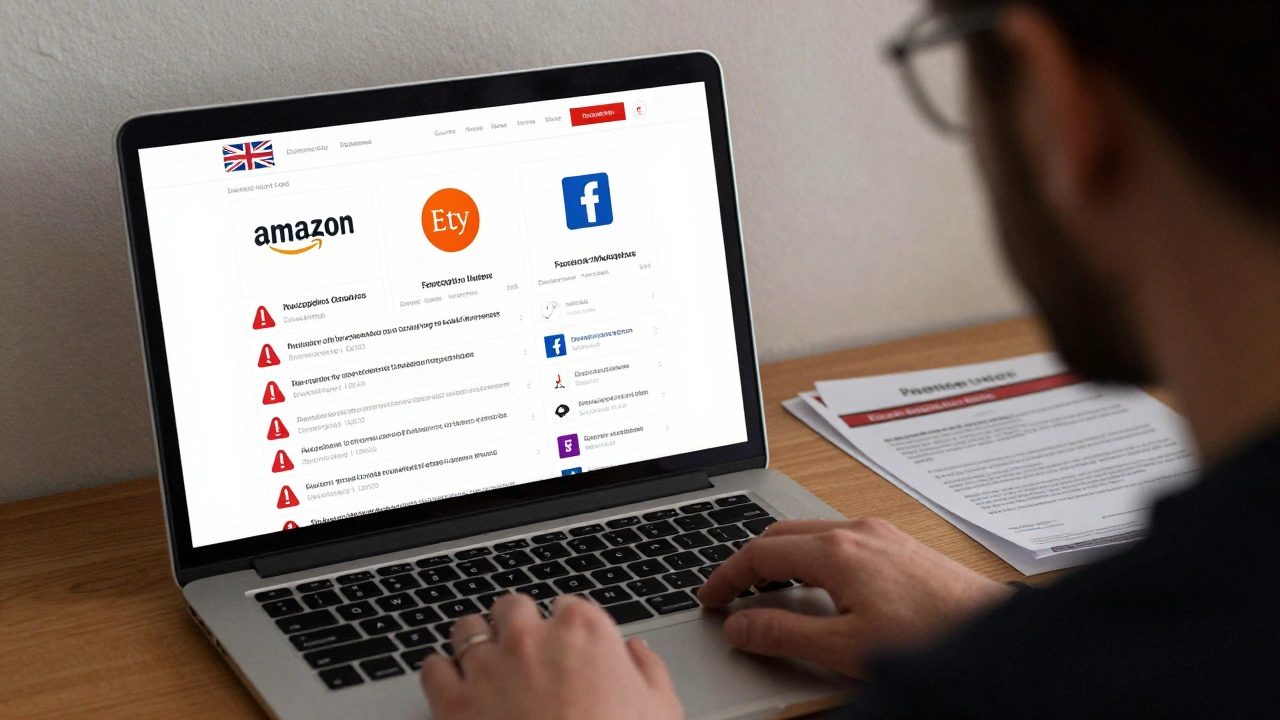
IP Infringement in the UK: How to Enforce, Issue Takedowns, and Respond Effectively
9 Dec, 2025
Learn how to enforce IP rights, issue takedown notices, and respond to infringement claims in the UK. Practical steps for businesses facing copyright or trademark violations online.
 by
by